
CPA marketing (Cost-Per-Action marketing) has become one of the most powerful and efficient models in the digital advertising world. Unlike traditional marketing methods that focus on impressions or clicks, CPA marketing focuses on measurable actions such as purchases, sign-ups, app installs, or form submissions. This performance-based model benefits both advertisers and marketers because payment is only made when a specific action is completed.
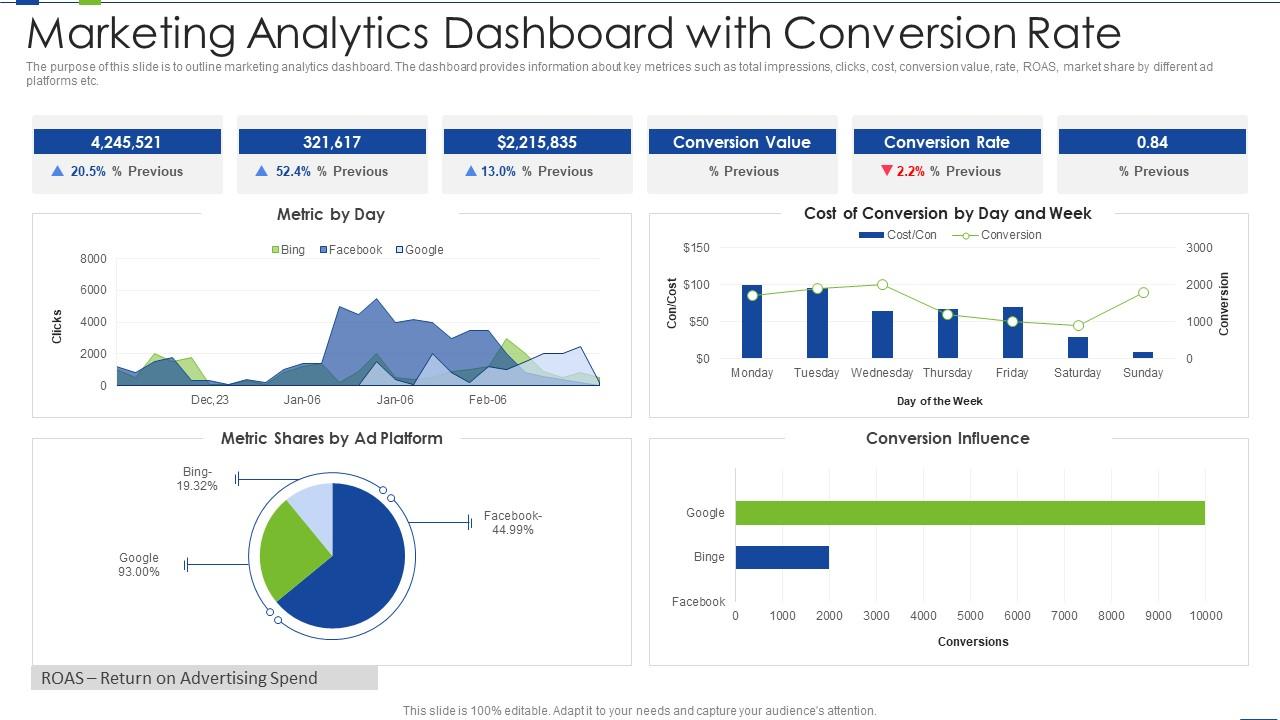
As online competition continues to increase, businesses are shifting toward marketing strategies that provide clear results and measurable ROI. CPA marketing delivers exactly that by connecting advertisers with affiliates who promote offers to targeted audiences.
In this detailed guide, we will explore how CPA marketing works, its benefits, key components, strategies for success, and why it has become a cornerstone of modern performance marketing.
What is CPA Marketing?
CPA marketing stands for Cost-Per-Action, a type of affiliate marketing where advertisers pay partners only when a specific action occurs. These actions can include:
- Product purchases
- Email sign-ups
- App downloads
- Free trial registrations
- Lead form submissions
- Subscription sign-ups
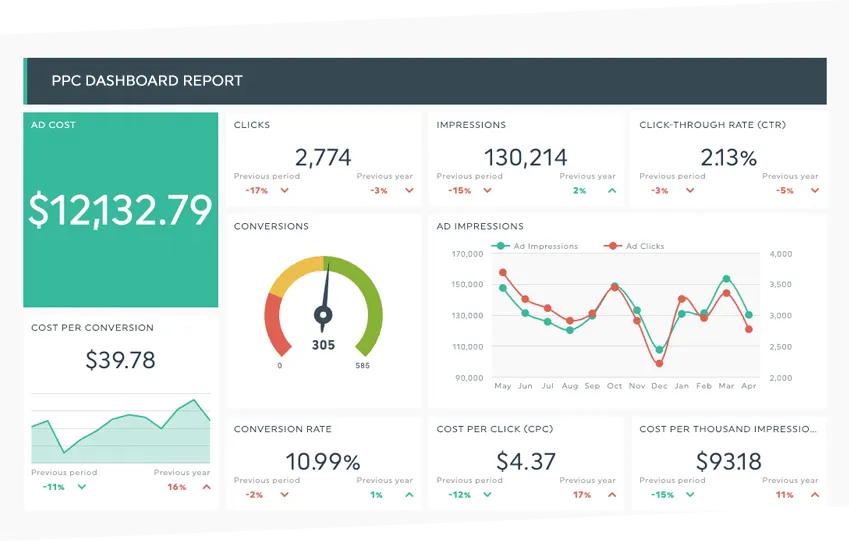
Unlike traditional advertising models such as CPM (Cost-Per-Thousand Impressions) or CPC (Cost-Per-Click), CPA marketing focuses on actual results rather than exposure or traffic.
This model creates a win-win situation. Advertisers reduce risk because they pay only for real outcomes, while affiliates earn commissions for driving conversions.
How CPA Marketing Works

CPA marketing operates through a structured ecosystem involving several key participants:
Advertisers
Advertisers are companies or brands that want to promote products, services, or offers. They create CPA campaigns and define the actions that qualify for payment.

Examples of advertiser goals include:
- Generating leads for a financial service
- Promoting an app installation
- Increasing e-commerce sales
- Collecting email subscribers
Affiliates or Publishers
Affiliates are marketers who promote the advertiser’s offers through different channels such as websites, blogs, social media, paid advertising, or email campaigns.

When a user completes the desired action through an affiliate’s referral link, the affiliate earns a commission.
CPA Networks
CPA networks act as intermediaries between advertisers and affiliates. They manage offers, track conversions, and handle payments. These networks provide affiliates with access to multiple campaigns from different industries.
Consumers
Consumers are the final users who interact with the promotion and complete the desired action. Their engagement determines the success of a CPA campaign.
Key Benefits of CPA Marketing
CPA marketing has gained immense popularity because of its clear advantages for both advertisers and affiliates.
Performance-Based Payment
Advertisers only pay when a specific action occurs. This minimizes wasted marketing budgets and ensures better ROI.
Scalable Growth
CPA campaigns can easily scale by increasing traffic sources or expanding into new markets.
Low Risk for Advertisers
Since payment is tied directly to conversions, businesses avoid paying for ineffective advertising impressions or clicks.
Opportunities for Affiliates
Affiliates can earn significant commissions by promoting high-quality offers to targeted audiences.
Data-Driven Optimization
Modern CPA platforms provide detailed analytics that allow marketers to track performance and optimize campaigns in real time.
Popular CPA Marketing Traffic Sources
Successful CPA marketers use multiple traffic channels to reach potential customers. Some of the most common sources include:
Search Engine Traffic
SEO and paid search advertising allow affiliates to target users actively searching for solutions or products.

Social Media Marketing
Platforms like Facebook, Instagram, TikTok, and LinkedIn provide powerful targeting tools that help marketers reach specific audiences.
Native Advertising
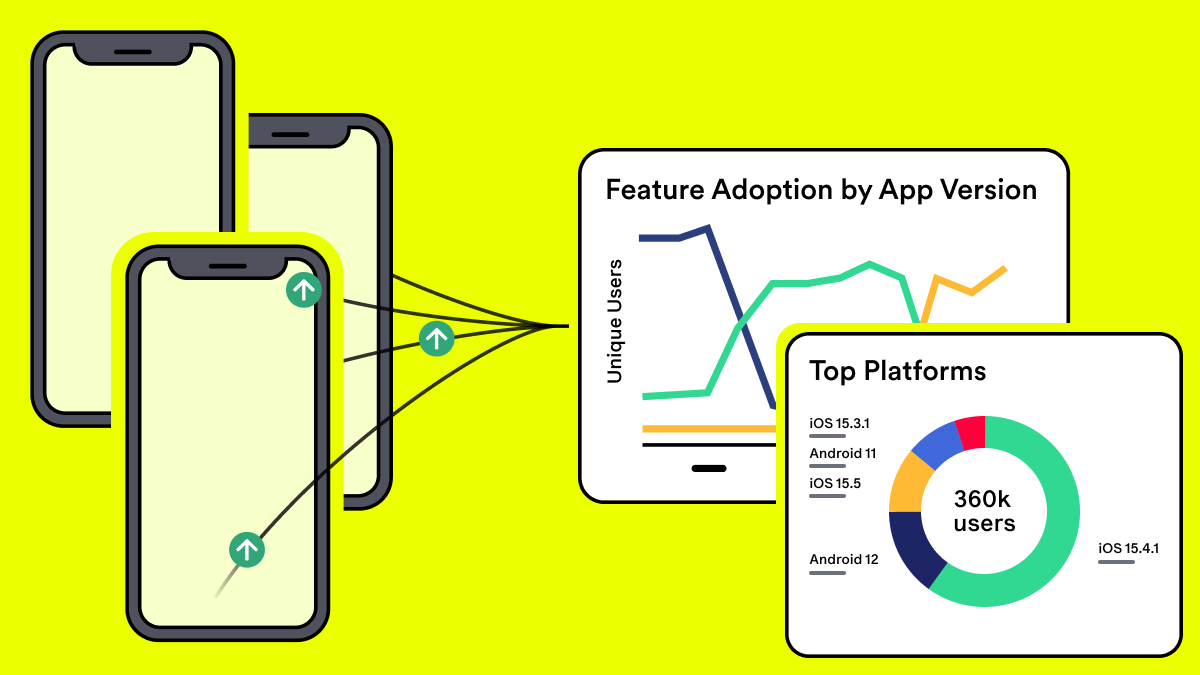
Native ads blend seamlessly into website content, making them highly effective for generating engagement and conversions.
Email Marketing
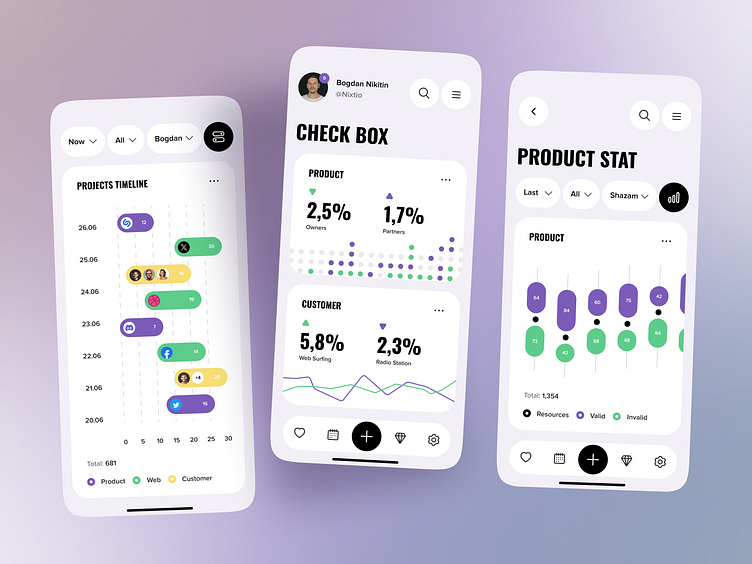
Email remains one of the highest-converting traffic sources when used with a targeted subscriber list.
Content Marketing
Blogs, tutorials, product reviews, and comparison articles can drive organic traffic and long-term conversions.

How to Start with CPA Marketing
Starting with CPA marketing requires planning, research, and consistent optimization.
Step 1: Choose a Niche
Selecting a profitable niche helps marketers focus on specific audiences. Popular CPA niches include:
- Finance and insurance
- Health and wellness
- Gaming and mobile apps
- E-commerce products
- Subscription services
Step 2: Join a CPA Network
CPA networks provide access to offers from different industries. Marketers can browse campaigns, analyze payouts, and select offers that match their audience.
Step 3: Select High-Quality Offers
Not all CPA offers perform equally. Successful marketers analyze factors such as:
- Conversion rate
- Target audience
- Geographic availability
- Commission payout
Step 4: Generate Targeted Traffic
Traffic quality plays a crucial role in CPA marketing success. Marketers must focus on reaching audiences who are genuinely interested in the offer.
Step 5: Optimize Campaign Performance
Testing and optimization are essential. Marketers constantly analyze data to improve:
- Landing pages
- Ad creatives
- Targeting parameters
- Conversion funnels
Common CPA Marketing Strategies
Experienced marketers use several strategies to maximize conversions.
Landing Page Optimization
A well-designed landing page can dramatically increase conversion rates. Key elements include:
- Clear headlines
- Strong call-to-action buttons
- Trust signals and testimonials
- Mobile optimization
Split Testing
A/B testing different ad creatives, headlines, and landing page layouts helps identify the most effective combination.
Retargeting Campaigns
Retargeting allows marketers to re-engage users who previously visited a landing page but did not convert.
Audience Targeting
Advanced targeting techniques ensure that ads reach the most relevant audience segments.
Challenges in CPA Marketing
Despite its benefits, CPA marketing also presents challenges that marketers must address.
Traffic Quality
Low-quality traffic can result in poor conversion rates and advertiser dissatisfaction.
Compliance Requirements
CPA campaigns must comply with advertising regulations, platform policies, and industry guidelines.
Competition
Popular niches often attract many affiliates, making it necessary to develop unique strategies.
Tracking Accuracy
Reliable tracking technology is essential to ensure accurate conversion reporting.
The Future of CPA Marketing
The future of CPA marketing will be shaped by advancements in technology and consumer behavior. Several emerging trends are already influencing the industry:
Artificial Intelligence and Automation
AI tools help marketers analyze massive datasets, optimize campaigns, and predict user behavior.

Advanced Attribution Models
Improved tracking systems provide better insights into which marketing channels contribute most to conversions.
Privacy-Focused Advertising
With increasing privacy regulations, marketers must adopt compliant tracking methods and ethical data practices.
Mobile-First Marketing
As mobile usage continues to dominate internet traffic, CPA campaigns must prioritize mobile-optimized experiences.
Final Thoughts
CPA marketing has transformed the way businesses approach digital advertising. By focusing on measurable results and performance-based compensation, this model allows advertisers to reduce risk while giving affiliates opportunities to generate revenue through targeted promotion.
Whether you are a brand looking to scale customer acquisition or a marketer exploring performance-based opportunities, CPA marketing offers a flexible and data-driven approach to online growth.
As the digital landscape continues to evolve, companies that embrace performance marketing strategies will be better positioned to adapt, scale, and succeed in an increasingly competitive marketplace.